
Earwax is something most people do not think about until it starts causing problems. For the majority, it manages itself quietly in the background, migrating naturally out of the ear canal without any intervention needed. But for a significant number of people, wax builds up to a point where it causes symptoms that are hard to ignore. Muffled hearing, a blocked sensation, mild earache, or even tinnitus can all be signs that earwax is accumulating and may need addressing. Understanding the safest and most effective methods for removing earwax from the ear, and knowing when home methods are not enough, is exactly what this guide is here to help with. If your ears feel blocked and you are not sure what to do next, book an ear care appointment at Vivo Pharmacy & Health Clinic in Bristol or contact our team for advice.
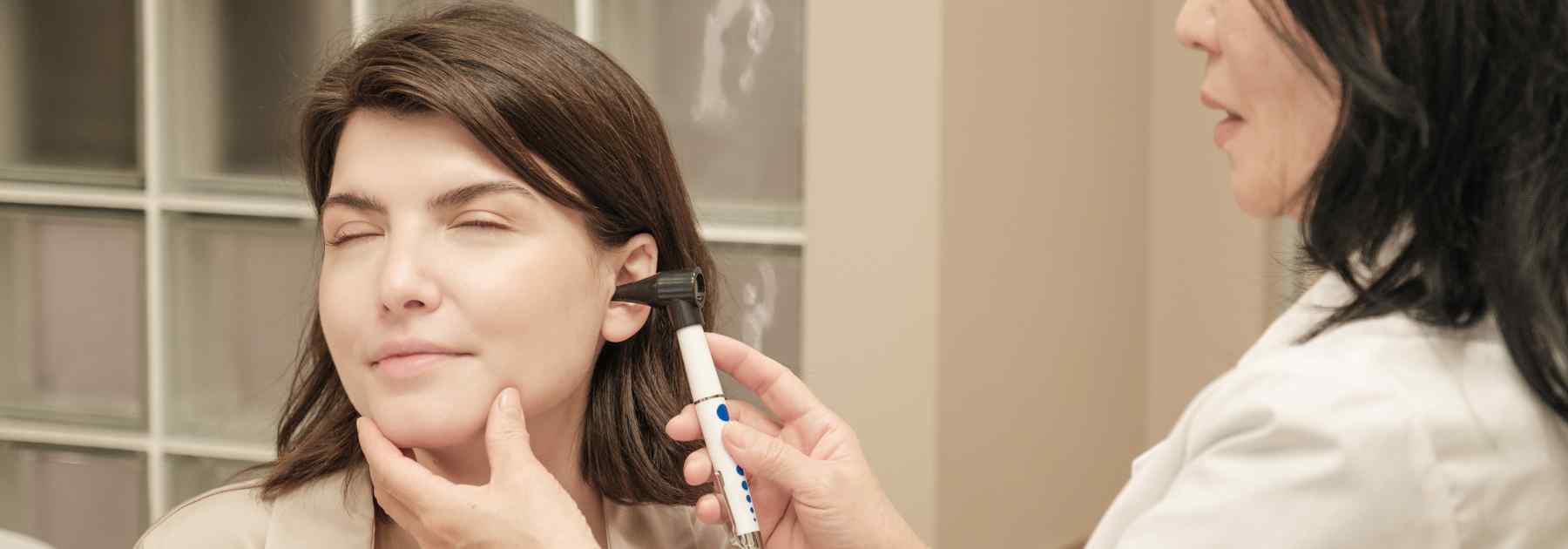
Why Earwax Needs to Be Removed Carefully
The ear canal is one of the most delicate parts of the human body. The skin lining it is thin, easily irritated, and sits just millimetres from the eardrum. The temptation to poke something into the ear to dislodge wax is understandable, but it is one of the most common causes of ear injury seen in clinical practice.
According to NHS guidance on earwax build-up, the ear canal is self-cleaning for most people and does not need to be cleaned. When wax does cause symptoms, the priority is always to soften it and allow it to migrate naturally, or to have it removed professionally where home methods are not sufficient.
The risks of attempting to remove earwax using inappropriate methods include:
- -> Pushing wax deeper into the canal, creating a more significant blockage
- -> Scratching or perforating the eardrum if objects are inserted too far
- -> Introducing bacteria into the canal, increasing the risk of outer ear infection
- -> Causing inflammation or irritation to the delicate canal lining
Softening Earwax: The Safest Starting Point
Before attempting any form of earwax removal, softening the wax is always the recommended first step. Softening agents help wax break down and migrate naturally without the need for physical removal in many cases.
Methods That Do Not Work and Should Be Avoided
The market for ear cleaning products is crowded with options that are either ineffective or actively harmful. Knowing what to avoid is just as important as knowing what to use.
| Method | Why Avoid It | What to Do Instead |
|---|---|---|
| Cotton buds | Push the wax deeper and compact it; it can scratch the ear canal lining | Use softening drops and allow natural migration |
| Ear candles | No clinical evidence of effectiveness; risk of burns, wax deposits, and eardrum perforation | Professional microsuction |
| Sharp or rigid objects | Serious risk of eardrum perforation and permanent hearing damage | Seek professional removal immediately |
| Home irrigation kits | Risk of eardrum damage if used incorrectly; not recommended outside a clinical setting | Clinical irrigation or microsuction at a registered clinic |
| Undiluted hydrogen peroxide | Can damage the delicate lining of the ear canal at the wrong concentration | Use proprietary carbamide peroxide drops at the correct concentration |
When to See a Professional for Earwax Removal
Home softening methods work well for mild, uncomplicated wax build-up. However, there are clear indicators that professional intervention is the right next step. Attempting to continue with home methods beyond these points can delay effective treatment and, in some cases, make the problem worse.
For more details on what you can safely try at home before seeking help, our guide on how to remove earwax at home walks through each home method step by step, including what to use, how often, and when to stop.
Professional Earwax Removal: What Are the Options?
When home methods are not sufficient, there are two main professional removal techniques available in the UK.
You can find full details on both options, along with pricing and availability in Bristol, in our dedicated guide to earwax removal in Bristol.
Frequently Asked Questions
How long does it take for earwax to clear with olive oil?
For mild build-up, improvement may be noticeable within a few days of consistent use. For harder or more impacted wax, it can take up to two weeks of applying drops two to three times daily. If there is no improvement after two weeks, professional removal is the appropriate next step.
Can earwax cause permanent hearing loss?
Earwax build-up itself does not cause permanent hearing loss. The muffled or reduced hearing associated with wax blockage resolves once the wax is removed. However, using inappropriate removal methods, such as sharp objects, can cause permanent damage, which is why safe technique matters.
Is earwax removal on the NHS?
NHS provision of earwax removal varies significantly by area. While many GP surgeries no longer offer it routinely, NHS England guidance issued in 2023 recommended restoring it as a core service, so availability depends on your local ICB. Many patients continue to access it privately as a result. Our Bristol ear care clinic provides professional microsuction as a private service, with appointments typically available quickly.
How do I know if I have impacted earwax?
Common signs of impacted earwax include a persistent feeling of blockage or fullness in the ear, noticeably muffled hearing, mild earache, tinnitus, or a sensation of water trapped in the ear. If you are experiencing these symptoms and softening drops have not helped, a clinical assessment will confirm whether wax is the cause.
How often should I have my ears professionally cleaned?
For most people, professional cleaning is only needed when symptoms arise. However, those who are prone to regular wax build-up, hearing aid users, and those with narrow or curved ear canals may benefit from preventative appointments every six to twelve months. Our team can advise on the most appropriate maintenance schedule for your individual ears.
Expert Earwax Removal in Bristol
Whether you are trying to manage mild wax build-up at home or need professional microsuction to clear a more significant blockage, getting the right approach from the start makes a real difference. The ears are delicate structures that respond well to proper care and poorly to well-intentioned but inappropriate intervention.
Our ear care team at Vivo Pharmacy & Health Clinic provides expert earwax removal in Bristol using microsuction, alongside practical advice on long-term ear health management. Book your ear care appointment today or contact our Bristol team to find out more.
