
Earwax is a natural and necessary part of ear health. It protects the ear canal, traps dust and debris, and has mild antibacterial properties. For most people, the ears are self-cleaning, and earwax works its way out on its own without any intervention. However, for some people, wax can build up and cause a feeling of fullness, muffled hearing, or mild discomfort.
If you are wondering how to remove earwax at home, the good news is that there are some safe and effective methods worth trying. That said, knowing when to stop and seek professional help is just as important. If you are experiencing persistent symptoms or are unsure what is causing them, book a consultation at Vivo Pharmacy & Health Clinic in Bristol or contact our team for guidance.
Why Earwax Builds Up
Earwax, known medically as cerumen, is produced by glands in the outer part of the ear canal. In most cases, jaw movements from talking and chewing naturally migrate old wax towards the opening of the ear, where it dries and falls away.
However, some people are more prone to building up than others. Common contributing factors include:
- -> Narrow or unusually shaped ear canals that slow natural migration
- -> Producing harder or drier wax that does not move as easily
- -> Regular use of hearing aids, earbuds, or in-ear headphones can push wax further into the canal
- -> Using cotton buds, which compact wax rather than remove it
- -> Age, as earwax tends to become drier and harder to shift over time
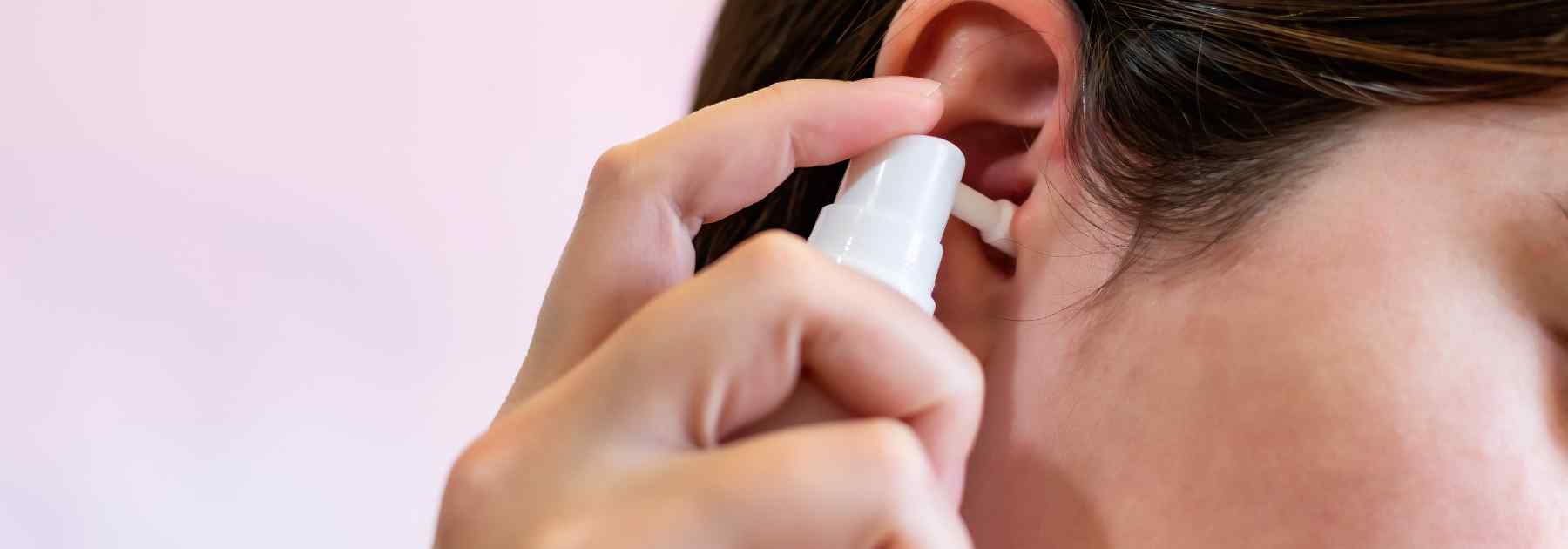
According to NHS guidance on earwax build-up, symptoms of blockage can include a feeling of fullness in the ear, partial hearing loss, tinnitus, earache, and dizziness. These symptoms do not always indicate wax and may have other causes, which is why professional assessment is worthwhile if they persist.
You can also check if your ear needs cleaning with our dedicated guide on self-checking a blocked ear and its clinical solutions.
Safe Methods to Remove Earwax at Home
There are a small number of genuinely safe home methods that can help soften and encourage wax to move naturally. These work best for mild build-up rather than significant blockage.
Olive Oil or Ear Drops
Softening the wax is the most evidence-supported home approach. Using two to three drops of warmed olive oil, or a proprietary ear drop product, in the affected ear once or twice daily for several days can soften hardened wax and encourage it to migrate naturally.
Steps to perform the method:
Irrigation With Warm Water
Gentle irrigation using a bulb syringe and body-temperature water can help flush softened wax from the ear canal. This should only be attempted after using softening drops for several days and never with cold water, which can cause dizziness.
Steps to perform the method:
What to Avoid When Removing Earwax at Home
There are several common practices that can cause more harm than good when it comes to earwax removal.
| What to Avoid | Why It Is Harmful | Safer Alternative |
|---|---|---|
| Cotton buds | Push the wax deeper and compact it further | Olive oil drops to soften wax naturally |
| Ear candles | No clinical evidence of effectiveness; risk of burns | Professional microsuction |
| Sharp objects | Risk of eardrum perforation and canal injury | Seek professional removal |
| Fingers | Can introduce bacteria and compact wax | Warm olive oil drops |
| Cold water irrigation | Can cause significant dizziness and discomfort | Body-temperature water only |
When Home Methods Are Not Enough
Home remedies work well for mild or moderate wax build-up, but there are situations where professional intervention is the safer and more effective option.
You should seek professional ear care if:
- -> Symptoms persist after two weeks of using softening drops at home
- -> You experience significant hearing loss, pain, or discharge from the ear
- -> You have a history of perforated eardrum, ear surgery, or grommets
- -> You wear hearing aids and are experiencing reduced performance
- -> You develop dizziness or tinnitus alongside blocked ear symptoms

In these situations, professional ear microsuction is the gold standard treatment. It is safe, effective, and suitable for most people, including those who cannot use irrigation methods. Our ear care team in Bristol can assess your symptoms and provide the right treatment quickly and comfortably.
Frequently Asked Questions
Is it safe to put olive oil in your ear every day?
Using two to three drops of warmed olive oil once or twice daily for up to two weeks is generally considered safe for most adults. If you notice increased discomfort, discharge, or no improvement after two weeks, stop and seek professional advice.
How long does it take for olive oil to clear earwax?
For mild build-up, you may notice improvement within a few days. For harder or more impacted wax, it can take up to two weeks of consistent use before the wax softens sufficiently to move. If there is no improvement after this period, professional removal is recommended.
Can earwax cause tinnitus?
Yes. A build-up of earwax pressing against the eardrum can cause or worsen tinnitus. In many cases, once the wax is removed, tinnitus improves or resolves. However, tinnitus has many possible causes, and persistent symptoms should always be assessed professionally.
Are ear drops better than olive oil?
Proprietary ear drops and olive oil are broadly comparable in effectiveness for softening wax. Some ear drops contain additional softening agents such as sodium bicarbonate, urea, or hydrogen peroxide. Your pharmacist can advise on the most appropriate option for your circumstances.
Can I use ear drops if I have a perforated eardrum?
No. You should not use ear drops, olive oil, or irrigation if you have a perforated eardrum or grommets. Seek professional advice about safe alternatives, as microsuction may still be possible depending on your specific situation.
Professional Ear Care in Bristol When You Need It
Knowing how to remove earwax at home safely can save you time and discomfort, and for many people, softening drops are all that is needed. However, when home methods are not enough or when symptoms are more significant, professional ear care is always the right next step.
At Vivo Pharmacy & Health Clinic, our ear care team provides expert microsuction and ear health assessments in a comfortable clinical setting. Book your ear care appointment today or contact our Bristol team to find out more.
