
Ask most people how they clean their ears, and the answer is almost always the same: cotton buds. It is one of the most deeply ingrained habits in personal hygiene, and one of the most consistently misunderstood. The truth is that for the vast majority of people, the ears clean themselves naturally and require no intervention at all. The issue is not that people are not cleaning their ears; it is that they are cleaning them in ways that cause harm rather than prevent it. This guide takes a fresh look at ear cleaning from a health perspective, covering what the ears actually need, what the science says about common cleaning habits, and how to recognise when something more than self-care is required. For personalised ear health advice or to book a professional appointment, visit our ear care clinic in Bristol or get in touch with our team today.
The Science of How the Ear Cleans Itself
The ear canal has a remarkable built-in cleaning mechanism. The skin lining the canal grows outward from the eardrum towards the ear opening in a process called epithelial migration. As this skin migrates, it carries old earwax, dead skin cells, and debris with it, effectively conveying waste material out of the canal naturally.
This process is assisted by the jaw movements involved in talking and chewing, which help propel wax towards the outer ear. Once it reaches the outer ear, wax dries and flakes away on its own.
According to NHS guidance on earwax, this self-cleaning process means that for most people, the inside of the ear canal should never need cleaning at all. The outer ear, meaning the visible part outside the canal, can be gently cleaned with a damp cloth during normal washing. That is the full extent of ear cleaning that is clinically recommended for the majority of people.
Why People Feel the Need to Clean Their Ears
Despite the ear’s self-cleaning capability, many people feel compelled to clean their ears regularly. Understanding why this happens helps explain why so many people end up in a cycle that actually makes things worse.
Ear Cleaning Habits Ranked: From Safest to Most Harmful
Not all ear cleaning habits carry the same risk. Here is a clear breakdown of common practices ranked by safety.
| Practice | Safety Rating | Clinical Verdict |
|---|---|---|
| Wiping the outer ear with a damp cloth | Safe | Recommended. Cleans the visible outer ear without disturbing the canal. |
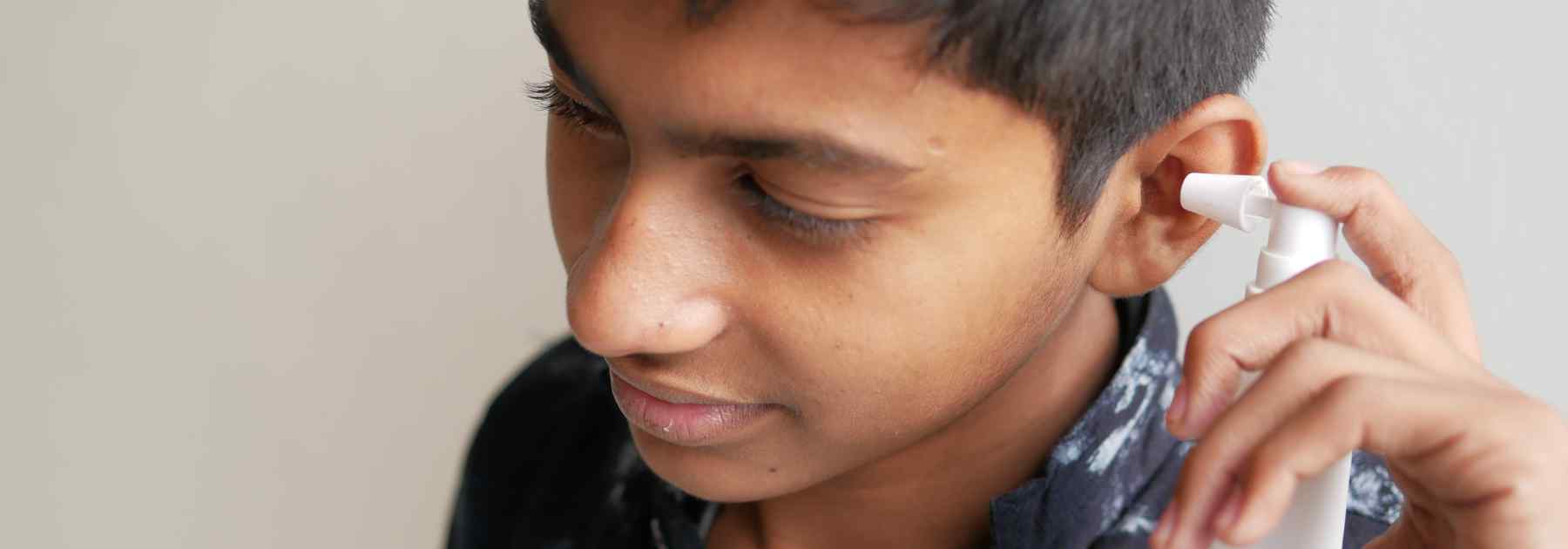
| Olive oil drops for softening wax | Safe | NHS-recommended for symptomatic wax build-up. Not needed routinely. |
| Proprietary ear drops (Otex, Waxsol) | Safe if used correctly | Appropriate for symptomatic wax. Follow instructions; not for regular preventative use. |
| Cotton buds inside the ear canal | Avoid | Compacts wax, removes protective barrier, and risks canal injury. |
| Ear candles | Avoid | No evidence of effectiveness. Risk of burns and eardrum damage. |
| Sharp or rigid objects | Never | Serious risk of eardrum perforation and permanent hearing damage. |
Who Actually Needs to Clean Their Ears?
While most people do not need to actively clean their ears, some individuals are genuinely prone to wax build-up due to factors outside their control. These include people with narrow, hairy, or unusually shaped ear canals; those who produce harder or drier wax that does not migrate as easily; and regular users of hearing aids, earbuds, or in-ear headphones that physically block the natural outward migration of wax.
For these groups, a small amount of preventative management may be appropriate, but it should always take the form of softening drops rather than physical cleaning. Periodic professional ear care is the safest long-term solution for those who experience regular build-up.
If you are regularly experiencing symptoms of wax blockage, our guide on blocked ears provides further guidance on what causes a blocked ear, how to distinguish wax from other causes, and what to do next.
The Role of Professional Ear Cleaning
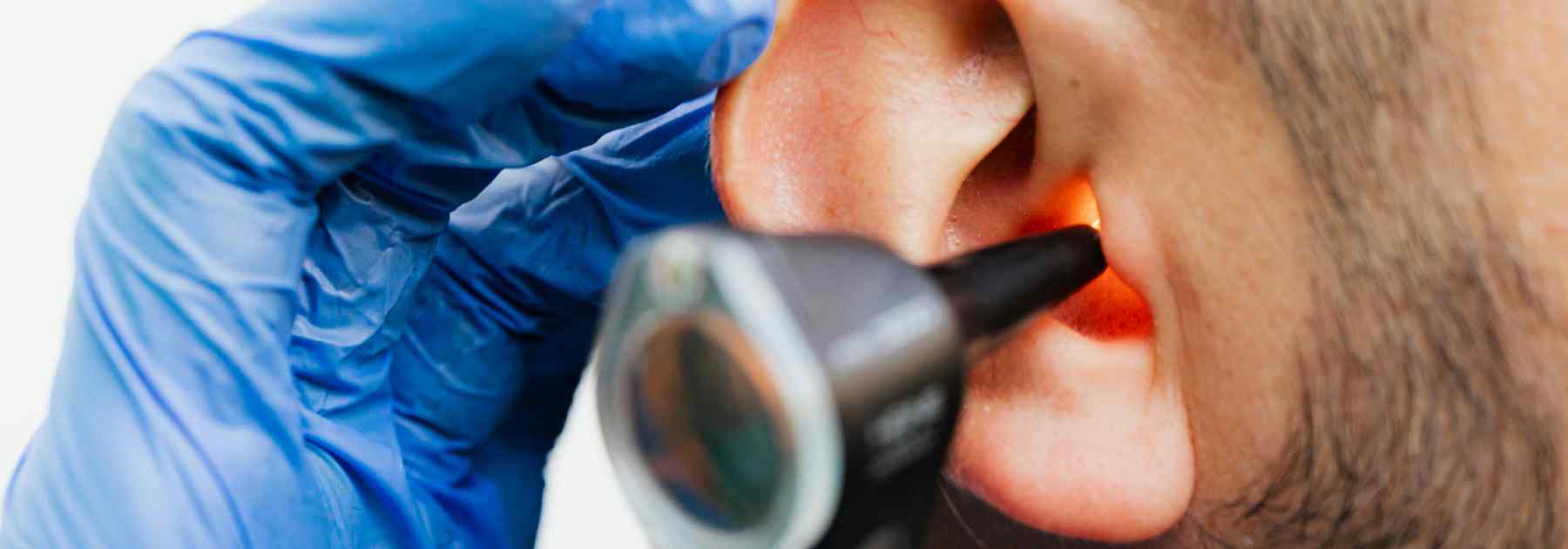
When wax does accumulate to the point of causing symptoms, professional ear cleaning is the most effective and safest solution. The two main methods available in the UK are microsuction and ear irrigation, both of which must be performed by a trained clinician.
Microsuction is widely regarded as the gold standard. It is performed under direct vision using a fine suction device, does not require water, and is suitable for most patients, including those with a history of ear problems. It is precise, comfortable for most people, and carries a lower risk of complications than irrigation.
For a full explanation of the extraction process and what to expect during a professional appointment, our detailed guide on how to extract earwax in Bristol covers everything you need to know before you book.
Building Healthier Ear Habits
The most effective ear cleaning routine is often the one that involves the least interference. Here are the habits that genuinely support long-term ear health.
Frequently Asked Questions
Is it bad to never clean your ears?
For most people, not cleaning the inside of the ear canal is entirely appropriate and in line with clinical guidance. The ear is self-cleaning by design. Wiping the outer ear during normal washing is all that is needed. Only when symptoms of build-up arise should any intervention be considered.
Why do my ears feel itchy after cleaning?
Itching after ear cleaning is often caused by the removal of the protective wax layer that keeps the canal skin moisturised. Without this layer, the skin dries out and becomes irritated. Ironically, cleaning the ears too frequently is one of the most common causes of chronic ear canal itching. Stopping cotton bud use and allowing the ear’s natural wax layer to restore itself typically resolves the problem over several weeks.
Can ear cleaning cause tinnitus?
Aggressive ear cleaning, particularly with cotton buds, can cause tinnitus if wax is pushed against the eardrum or if the canal lining is irritated or damaged. Tinnitus linked to wax blockage typically resolves once the wax is removed properly. If tinnitus persists after wax removal, a further assessment is advisable to rule out other causes.
Do hearing aid users need to clean their ears more often?
Hearing aid users are more prone to wax build-up because the device physically blocks the natural outward migration of wax. Regular professional ear cleaning every six to twelve months is often recommended for hearing aid users, alongside consistent softening drop use if advised by their audiologist or clinician. Home cleaning inside the canal is still not recommended, regardless of hearing aid use.
What is the difference between ear cleaning and ear wax removal?
Ear cleaning typically refers to general hygiene maintenance of the outer ear and, incorrectly, the use of tools such as cotton buds inside the canal. Earwax removal is a specific clinical term referring to the professional extraction of accumulated wax using microsuction or irrigation. The two should not be confused. Ear cleaning as a routine practice is generally unnecessary; earwax removal as a clinical procedure is appropriate when symptoms of wax build-up are present, and home methods have not resolved them.
Ear Health Support in Bristol
The best ear cleaning routine for most people is no routine at all. Understanding how the ear works, recognising the habits that cause harm, and knowing when to seek professional help are the foundations of long-term ear health. If you are experiencing symptoms of wax build-up or simply want a professional assessment of your ear health, our team is here to help.
At Vivo Pharmacy & Health Clinic, we offer professional ear care services in Bristol, including microsuction, ear health assessments, and personalised advice on managing wax build-up long-term. Book your appointment today or contact our Bristol team to get started.
