
With so many ear cleaner products available online and in pharmacies, it can be difficult to know which ones are actually safe, which are effective, and which should be avoided altogether. The market is full of gadgets, drops, sprays, and devices that claim to clean your ears, but not all of them are backed by clinical evidence, and some can cause genuine harm if used incorrectly. At Vivo Pharmacy & Health Clinic in Bristol, we help patients navigate ear health every day. If you are struggling with blocked or uncomfortable ears, book a consultation with our ear care team or contact us for advice before trying anything new at home.
Do Your Ears Actually Need Cleaning?
Before reaching for any ear cleaner, it is worth understanding that for most people, the ears do not need to be cleaned at all. The ear canal is self-cleaning by design. Earwax, or cerumen, naturally migrates from the deeper parts of the canal towards the outer ear, where it dries and flakes away on its own.
According to NHS guidance on earwax build-up, cleaning the inside of your ears is generally unnecessary and can disrupt the natural process if done incorrectly. Intervention is only needed when wax builds up to the point of causing symptoms such as muffled hearing, a sensation of fullness, mild earache, or tinnitus.
Safe Ear Cleaner Options
When earwax does cause symptoms, there are a small number of clinically supported options that can safely help.
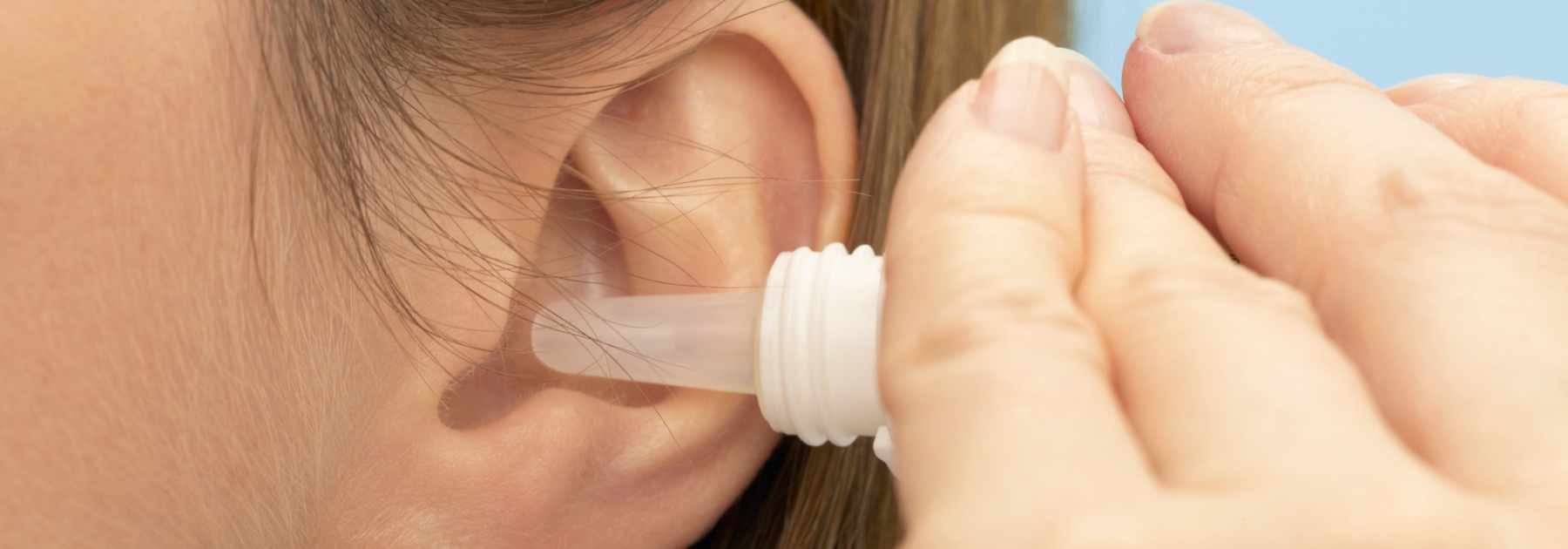
Ear Drops
Ear drops designed to soften earwax are the most widely recommended home option. They do not physically remove wax but soften it so that it can migrate out of the ear more easily on its own.
Ear Irrigation (Only Performed by Professionals)
Irrigation involves flushing the ear canal with body-temperature water to soften and remove impacted earwax. In the UK, this is performed as a clinical procedure and is not routinely recommended as a home method, as incorrect technique carries a risk of eardrum damage or infection. If you feel irrigation may be appropriate for you, this should be carried out by a trained healthcare professional.
Ear Cleaner Products to Avoid
Not every product marketed as an ear cleaner is safe or effective. Some are widely available but carry significant risks.
| Product | Why to Avoid It | Safer Alternative |
|---|---|---|
| Cotton buds | Pushes the wax deeper and compacts it; it can scratch the canal lining | Olive oil or ear drops |
| Ear candles | No clinical evidence of effectiveness; risk of burns, wax deposits, and eardrum damage | Professional microsuction |
| Camera ear cleaning tools | Risk of pushing wax further in; can damage delicate canal skin if used incorrectly | Professional assessment |
| Hydrogen peroxide (undiluted) | Can irritate or damage the ear canal lining if used at the wrong concentration | Proprietary carbamide peroxide drops at the correct concentration |
| Sharp or rigid objects | Serious risk of eardrum perforation and canal injury | Seek professional removal |
When Professional Ear Cleaning Is the Right Option
Home ear cleaner products are appropriate for mild, uncomplicated wax build-up. However, there are situations where professional intervention is the only appropriate course of action. You should seek professional ear care if any of the following apply:
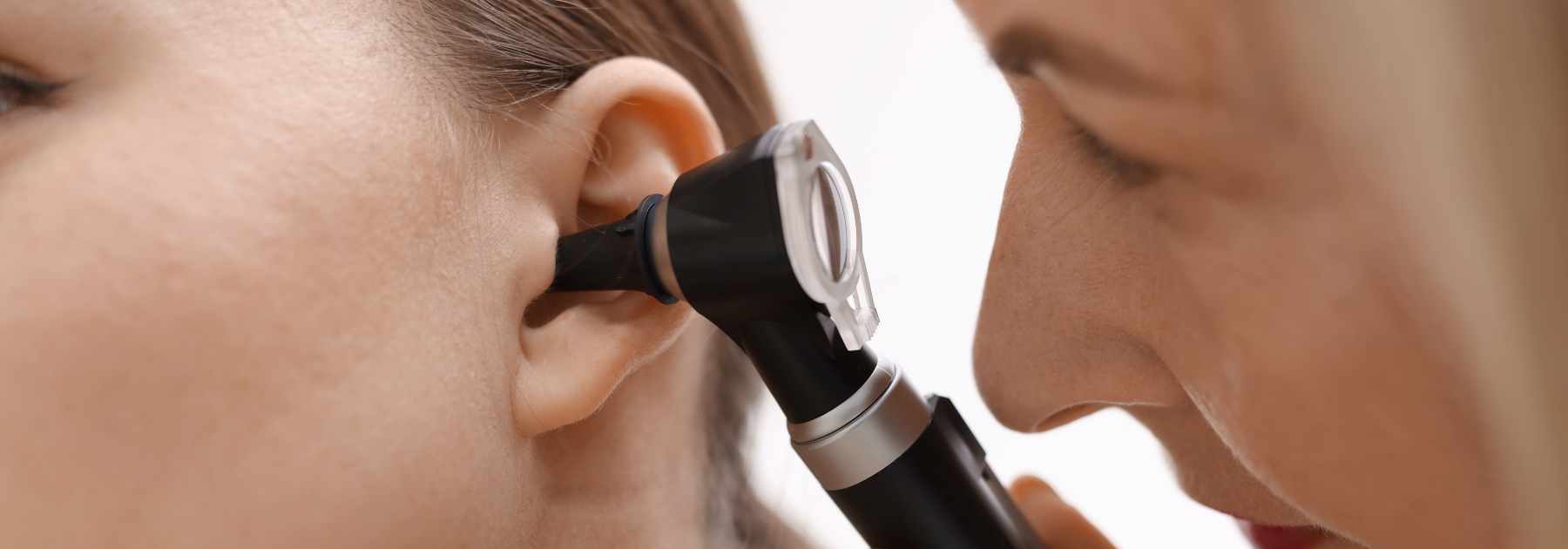
In these cases, microsuction is considered the gold standard treatment. It is performed under direct vision using a fine suction device, is suitable for most people, including those who cannot use irrigation, and does not require water. You can learn more using our dedicated guide on how to extract earwax in Bristol.
Frequently Asked Questions
What is the safest ear cleaner to use at home?
Warmed olive oil drops or a pharmacist-recommended ear drop product are the safest home options. They soften wax rather than attempting to physically remove it, which reduces the risk of compacting wax or damaging the ear canal.
Can I use hydrogen peroxide to clean my ears?
Undiluted hydrogen peroxide should not be used in the ear as it can cause irritation and damage the canal lining. Carbamide peroxide ear drops, which contain a safe, diluted concentration of peroxide, are available over the counter and are a much safer alternative.
Are camera ear cleaners safe to use?
Camera ear cleaning tools are widely available but carry risks, particularly if used incorrectly. They can push wax further into the canal or damage the delicate skin of the ear canal wall. If you are considering one, speak to a clinician first about whether it is appropriate for your situation.
How often should I clean my ears?
For most people, the answer is never. The ears are self-cleaning, and routine intervention is not necessary or recommended. If you are prone to wax build-up, your clinician may advise using softening drops periodically as a preventative measure, but this should be guided by professional advice.
What is microsuction, and is it better than ear drops?
Microsuction is a professional ear cleaning procedure that uses gentle suction to remove wax under direct clinical vision. It is widely considered the gold standard for earwax removal and is safe, effective, and suitable for most people. Ear drops are appropriate for mild build-up, but microsuction is preferred when wax is significant, impacted, or causing notable symptoms.
Expert Ear Care Advice in Bristol
Choosing the right ear cleaner comes down to understanding what your ears actually need and recognising the limits of what is safe to do at home. For many people, the right answer is simply to leave their ears alone. For those with genuine wax build-up causing discomfort, a clinically recommended ear drop product is a sensible first step. And when home methods are not enough, professional microsuction provides a safe, comfortable, and highly effective solution.
Our team at Vivo Pharmacy & Health Clinic is here to help you make the right choice for your ear health. Book your ear care appointment today or contact our Bristol team to find out more.
